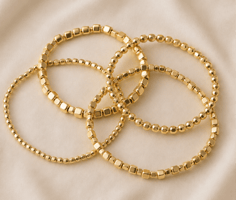
When it comes to jewelry manufacturing, jump rings are one of the most frequently used—yet often...
Jump rings are small components that play a big role in jewelry construction. From connecting chains and clasps to attaching charms, pendants, and connectors, choosing the right jump ring size helps ensure your jewelry components fit together properly and function as intended.
But with different wire diameters, ring diameters, and opening sizes to consider, how do you know which jump ring is right for your design?
Whether you're an independent jewelry designer, a growing jewelry brand, or one of the jewelry manufacturers producing collections at scale, understanding jump ring measurements can help you select compatible components and make more informed sourcing decisions.
In this guide, we'll explain wire diameter, inside diameter, outside diameter, and the key factors to consider when choosing jump rings for your jewelry designs.
What Is a Jump Ring?
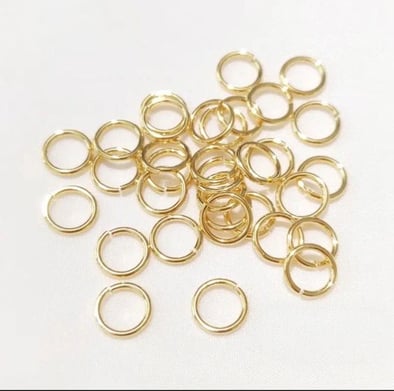
A jump ring is a small metal ring used to connect jewelry components. It typically features an opening that allows it to be attached to chains, clasps, charms, pendants, and other findings before being closed.
Jump rings are available in a variety of sizes, wire thicknesses, and metals to accommodate different jewelry styles and applications. They're commonly used in necklaces, bracelets, earrings, and other assembled jewelry designs.
Although jump rings may seem like simple components, their dimensions can affect the appearance, compatibility, and function of a finished piece.
Understanding Jump Ring Measurements
When shopping for wholesale jewelry supplies, understanding product measurements can help you choose components that fit your designs. Two key measurements to consider when selecting jump rings are wire diameter and ring diameter.

1. Wire Diameter: How Thick Is the Wire?
Wire diameter refers to the thickness of the metal wire used to form the jump ring. It's typically measured in millimeters or inches and may also be specified using wire gauge.
Wire diameter can affect several aspects of your jewelry design:
- Appearance: Thicker wire creates a more substantial look, while thinner wire can offer a more delicate appearance.
- Component compatibility: The wire must fit through the loops, holes, or connecting points of the components being assembled.
- Function and strength: Wire thickness contributes to the ring's performance, although material, construction, and overall dimensions also matter.
For example, a jump ring made with thicker wire may not fit through a small pendant loop, even if the ring itself has a relatively large diameter.
When selecting a jump ring, consider both the wire thickness and the size of the components it needs to connect.
2. Ring Diameter: How Large Is the Ring?
Ring diameter describes the size of the jump ring itself. However, it's important to determine whether a listed measurement refers to the inside diameter or the outside diameter.
These measurements describe different dimensions and are not interchangeable.
Inside Diameter (ID)
The inside diameter is the distance across the open space inside the jump ring, measured from one inner edge to the opposite inner edge.
This measurement helps determine how much room is available for chain links, connector loops, clasps, and other jewelry components.
A jump ring with a larger inside diameter provides more clearance, provided the wire thickness and overall design are suitable for the application.
Outside Diameter (OD)
The outside diameter is the distance across the entire jump ring, measured from one outer edge to the opposite outer edge.
This measurement includes the thickness of the wire on both sides of the ring.
Outside diameter is useful when determining the overall size and visual proportions of a jump ring within a jewelry design.
How to Calculate Jump Ring Inside Diameter
If you know the outside diameter and wire diameter, you can calculate the approximate inside diameter using this formula:
Inside Diameter = Outside Diameter − (2 × Wire Diameter)
For example, suppose a jump ring has an outside diameter of 6.0 mm and a wire diameter of 0.8 mm.
Inside diameter = 6.0 − (2 × 0.8)
Inside diameter = 4.4 mm
This calculation is useful when comparing jump rings or determining whether a ring has enough clearance for your jewelry components. Always check the supplier's stated measurements when available, since measurement conventions and rounding can vary.
Why Jump Ring Wire Thickness Matters
Wire thickness affects more than the appearance of a jump ring. It also influences how the ring fits with other components and performs in a finished design.
When selecting a wire diameter, consider the following factors:
- Connecting loops: The wire must pass through the opening without forcing or damaging the connected component.
- Intended application: A delicate earring design may require different dimensions than a bracelet connection that experiences more movement and handling.
- Overall design: Wire thickness affects how prominent the jump ring appears in relation to chains, charms, and other findings.
- Material and construction: Different metals and manufacturing methods can influence performance. Wire diameter alone does not determine strength.
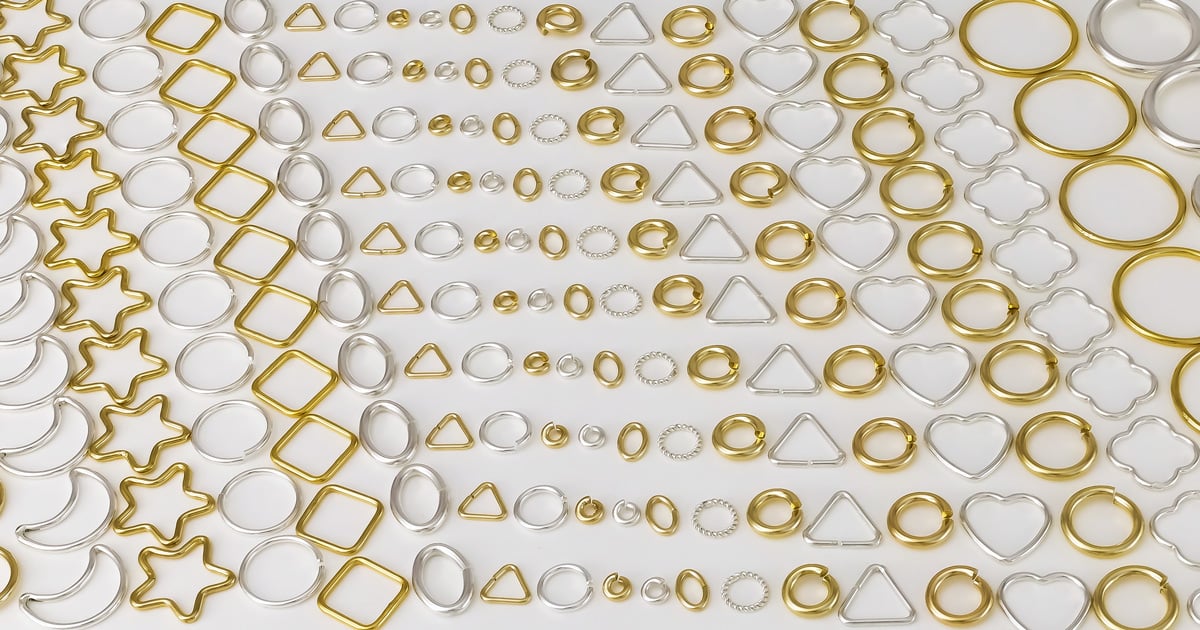
Choosing an appropriate wire thickness helps balance appearance, compatibility, and function.
How to Choose the Right Jump Ring Size
The best jump ring size depends on the components you're connecting and the purpose of the finished jewelry piece. Before selecting a size, consider these four factors.
1. Check the Size of Your Components
Measure the loops, holes, or links that the jump ring needs to pass through. Pay attention to both the opening size and the thickness of the material surrounding it.
A jump ring may have a suitable outside diameter but still lack sufficient inside clearance for the components you're connecting.
2. Consider Wire Diameter and Clearance
Make sure the wire is thin enough to fit through the connecting points while still being appropriate for the intended application.
If you're connecting multiple components to one jump ring, account for the space each component requires. A ring that fits one loop may not provide enough clearance for several.
3. Match the Jump Ring to the Design
Consider how visible the jump ring will be in the finished piece.
Smaller or finer jump rings may suit delicate chains and lightweight designs, while larger rings can become a more noticeable part of the overall look. The appropriate size depends on the design and functional requirements, not just appearance.
4. Consider How the Jewelry Will Be Used
Necklaces, bracelets, earrings, and other jewelry styles can place different demands on their connecting components.
Consider movement, handling, expected use, and the consequences of a connection opening or failing. Select a suitable ring construction and material for the application, and ensure the jump ring is properly closed.
How to Properly Close a Jump Ring
Selecting the correct jump ring size is only part of the process. Proper assembly also matters.
For a typical open jump ring, use two pairs of suitable pliers to grip either side of the opening. Gently rotate one side forward and the other side backward to open the ring. Avoid pulling the ends directly apart, which can distort the ring's shape.
After attaching the jewelry components, rotate the ends back into alignment until the opening is closed. Avoid excessive bending or repeated manipulation, which can weaken or distort the metal.
For applications that require a more secure or permanent connection, consider whether an appropriate closed-ring, soldered, or otherwise secured construction is better suited to the design.
Common Jump Ring Sizing Mistakes to Avoid
Even experienced jewelry makers can run into sizing problems. Keep these common mistakes in mind when selecting jump rings.
Confusing inside and outside diameter: Outside diameter includes the wire thickness, so it doesn't tell you how much usable space is inside the ring.
Choosing by diameter alone: Two jump rings with the same outside diameter can have different inside diameters if their wire thicknesses differ.
Ignoring connecting loop size: Always check that the wire can pass through the components you're assembling.
Assuming thicker wire is always better: Thicker wire may provide a more substantial connection, but it can also be incompatible with smaller loops or delicate designs. Consider the full application.
Overlooking the opening and closure: The opening must allow assembly, and the ring should be properly closed after the components are connected.
 Choosing Wholesale Jewelry Supplies for Your Business
For jewelry designers, brands, and manufacturers, selecting the right components is an important part of developing and producing finished jewelry.
Understanding product specifications can help you compare options, plan assemblies, and source findings that fit your production requirements.
When sourcing wholesale jewelry supplies, consider:
-
Product specifications: Review wire diameters, ring diameters, materials, and other relevant dimensions.
-
Material options: Choose materials appropriate for your design, product requirements, and intended use.
-
Consistency: Look for clear product specifications that support repeatable assembly and product development.
-
Supplier expertise: Work with a supplier that understands jewelry components and the needs of jewelry businesses.
Taking time to evaluate these factors can help you make informed purchasing decisions as your business develops new designs or expands production.
Explore Wholesale Jewelry Findings from JK Findings
Understanding jump ring measurements makes it easier to select compatible jewelry findings and plan your designs with confidence. By considering wire diameter, inside diameter, outside diameter, and the size of your connecting components, you can make more informed decisions when sourcing jump rings for jewelry production.
JK Findings is a USA jewelry manufacturer and wholesale supplier serving jewelry businesses with a wide range of findings, chain, wire, and other jewelry components. With manufacturing operations in Rochester, New York, JK Findings supports jewelry designers, brands, and manufacturers with product expertise and wholesale sourcing options.
Explore our selection of wholesale jewelry supplies to find components suited to your next design.
JK Findings: Connecting Jewelry Since 1975.
Frequently Asked Questions About Jump Ring Sizing
What is the difference between jump ring inside diameter and outside diameter?
Inside diameter measures the open space inside the ring, while outside diameter measures the full distance across the ring, including the wire thickness on both sides.
How do you calculate the inside diameter of a jump ring?
Subtract twice the wire diameter from the outside diameter. For example, a jump ring with a 6.0 mm outside diameter and 0.8 mm wire has an approximate inside diameter of 4.4 mm.
Does jump ring wire thickness matter?
Yes. Wire thickness affects the ring's appearance, compatibility with connecting components, and contribution to overall performance. Material, construction, and intended use also influence how a jump ring performs.
How do I choose the right jump ring size?
Check the dimensions of the components you're connecting, determine the required inside clearance, select an appropriate wire diameter, and consider the design and intended use of the finished jewelry.
Are larger jump rings always stronger?
No. Ring diameter alone does not determine strength. Wire thickness, metal, construction, and the way the ring is used all affect performance.
What tools can I use to measure a jump ring?
A precision caliper can help measure wire diameter and inside or outside diameter. Compare your measurements with the supplier's product specifications when selecting components.